
Comics can be a powerful teaching tool, especially for nonfiction. For some students, informational text can feel intimidating. New vocabulary, unfamiliar topics, and dense structures can make reading feel like a hurdle. Graphic nonfiction helps lower that barrier.
By pairing facts with visual storytelling, comics and graphic novels give readers more ways to access information, follow key ideas, and build background knowledge. Text features such as diagrams, maps, timelines, bolded vocabulary, glossaries, captions, and close-ups help students see how information is organized and why it matters.
With Comics Plus, students have unlimited, simultaneous access to a wide range of nonfiction titles across subjects and grade levels, making it easier to bring curriculum-connected comics into everyday instruction.
Introducing Nonfiction Through Comics
Nonfiction can take readers just about anywhere, from outer space and ocean depths to historic moments, scientific discoveries, and creative how-to projects. Comics offer an inviting gateway into these topics, helping readers explore new ideas in a format that feels visual, approachable, and easier to navigate.
These titles can support lessons on content-area vocabulary, author’s purpose, sequencing, and critical thinking. Teachers can also use them for classroom activities like text feature walks, timeline building, compare-and-contrast discussions, or visual note-taking.
Our nonfiction collection is a great resource for supporting classroom learning and intellectual curiosity. Read on for a few picks that can help you nurture an appreciation for nonfiction.
Young Readers
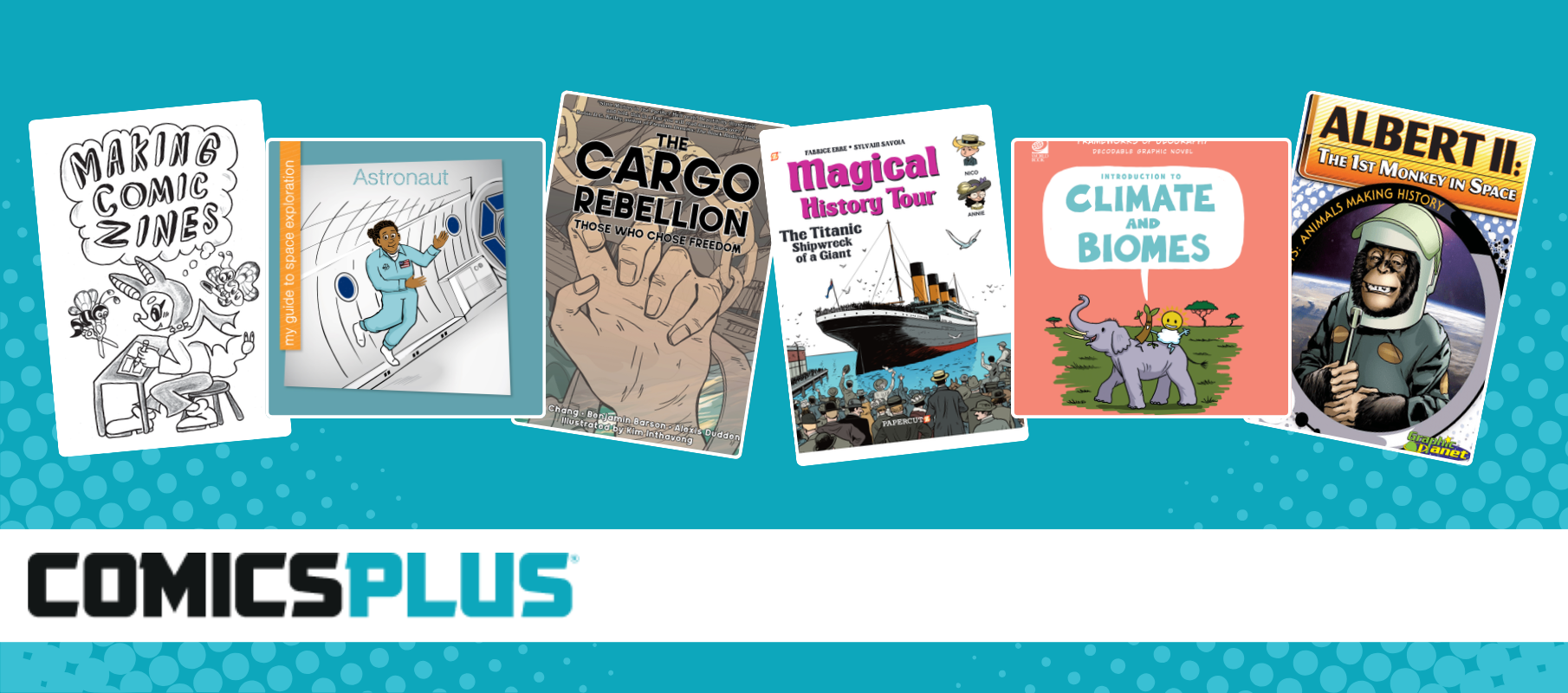
My Guide to Space Exploration: Astronaut by Samantha Bell and Joseph Hatch (Cherry Lake)
This image-packed early reader introduces the exciting responsibilities of astronauts in space. Simple factual sentences, bold science vocabulary, photographs, a table of contents, glossary, and index help young readers practice navigating nonfiction. Readers can expand their understanding of space exploration by reading the rest of the My Early Library: My Guide to Space Exploration series.
Introduction to Climate and Biomes by Izzi Howell and Steve Evans (Cherry Lake)
This decodable graphic novel introduces climate, biomes, and ecosystems through the adventures of the Sun and its sidekick, Biome. As a part of the Frameworks of Geography series, it successfully combines engaging storytelling through narrative text and pictures with essential geographical concepts.
Snails Are Just My Speed! by Kevin McCloskey (TOON Books)
Equal parts factual, funny, and delightfully gross, this early reader explores the biology of snails. Lively illustrations and descriptive text help readers connect facts, visuals, and humor as they learn.
Middle Grade
Albert II: 1st Monkey in Space by Joeming Dunn and Ben Dunn (ABDO)
An engaging title about a significant yet often overlooked chapter in space history. A sequential structure, labeled diagrams, fact boxes, glossary, and index help students follow the mission and understand its place in space history. Students will be excited to continue learning about other famous animals as they discover additional titles in the Famous Firsts: Animals Making History series.
Magical History Tour #9: The Titanic by Fabrice Err and Sylvain Savoia (Papercutz)
This fact-filled title follows two modern-day siblings as they explore the construction, voyage, and sinking of the Titanic. Maps, diagrams, historical details, and a timeline help readers understand the events and larger context of the tragedy. Readers can continue their Magical History Tour with Annie and Nico as they visit The Great Wall of China and The Great Pyramid, or explore The Discovery of the Dinosaurs.
Teen & Young Adult
Making Comic Zines by Eddy Atoms (Silver Sprocket)
This approachable guide walks readers through the zine-making process, from brainstorming and character design to layout and distribution. Its sequential structure makes it a useful model for process writing while encouraging creativity and self-expression.
The Cargo Rebellion: Those Who Chose Freedom by Alexi Dudden, Ben Barson, Jason Chang, and Kim Inthavong (PM Press)
This graphic account of the Robert Browne Rebellion of 1852 uses a narrative structure to tell the story of 400 indentured Chinese laborers who organized a mutiny against their captors, seized control of their ship, and demanded their freedom. It is an accessible presentation blending historical accuracy with engaging storytelling.
The Lindbergh Child by Rick Geary (NBM Graphic Novels)
A true crime mystery presented like a police blotter, the expository text sets out to explain the evidence and theories surrounding the 1932 kidnapping of Charles Linbergh’s child. Setting the scene with maps and diagrams of the home and the baby’s room, Geary provides these text features for readers to rely on throughout the reading.
Bring Comics Into Your Classroom
Graphic nonfiction gives teachers a flexible way to support nonfiction reading, content-area learning, and student engagement. From science and history to how-to guides and biographies, comics can help students build confidence with informational texts while offering a format they are excited to explore.
Looking for more ways to connect Comics Plus with your curriculum? Contact your client success manager or email success@joyfulreading.com for ideas and support.
New to Comics Plus? Connect with our team to learn more.