For many students, personal narrative writing is one of the first chances to explore their own lives through writing. While all students have experiences worth sharing, turning those experiences into engaging writing can feel intimidating. That's where mentor texts come in.
Strong mentor texts help students see how writers shape experiences into meaningful stories. They demonstrate how to organize events, develop details, and reflect on moments that have influenced who they are. The more students read, the more examples they have to draw from as they develop their own voices.
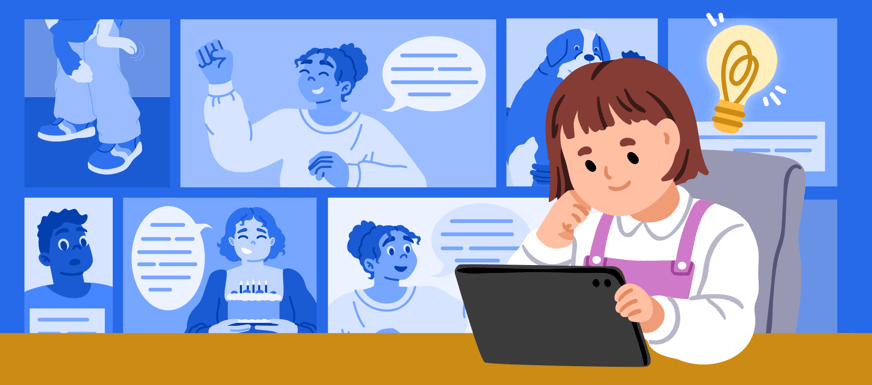
Graphic novels can be especially powerful mentor texts because they combine written and visual storytelling. Students can see how authors communicate emotions, build tension, and develop ideas through both words and images. This multimodal approach helps readers understand narrative techniques, while making stories feel more accessible and engaging.
Why Graphic Novels Make Effective Mentor Texts
When students read graphic memoirs and first-person narratives, they're exposed to many of the writing elements they are expected to use in their own work. They see how writers establish a clear beginning, middle, and end, develop a central theme, and use details to bring important moments to life.
The visual nature of graphic novels also helps students better understand pacing, character development, and emotional impact. Facial expressions, panel layouts, and illustrations provide additional context that can support comprehension and strengthen students' understanding of how stories are constructed.
Perhaps most importantly, graphic novels often invite students into authentic, personal experiences. Some readers will see aspects of themselves reflected in these stories. Others will encounter perspectives and experiences different from their own. Both outcomes can deepen understanding and inspire meaningful reflection.
Exploring Identity Through Storytelling
Personal narratives become even more meaningful when students have opportunities to explore their identities, cultures, and communities.
One powerful example is They Called Us Enemy (IDW), George Takei's graphic memoir about his childhood in Japanese American incarceration camps during World War II. Through personal memories, historical events, and thoughtful reflection, Takei demonstrates how individual stories can illuminate broader historical moments while exploring themes of identity, resilience, belonging, and justice.
Before reading, students can build background knowledge by learning about Executive Order 9066, Japanese American incarceration, and the importance of preserving personal histories. They might also reflect on experiences that have shaped their own identities, families, or communities.
As students read, encourage them to notice how Takei blends personal storytelling with historical context. How does he use dialogue, pacing, and reflection to help readers understand both what happened and why it mattered? These observations can help students think about how their own experiences connect to larger themes and inspire them as they craft their own personal narratives.
Looking for another mentor text? Banned Book Club (Iron Circus Comics) offers a compelling look at student activism, censorship, and the power of sharing personal experiences during a pivotal moment in South Korean history. It's an excellent choice for discussions about voice, perspective, and standing up for what matters.
From Reading to Writing
After exploring personal narratives through graphic novels, students can begin crafting their own stories.
They might write about a significant family tradition, a challenge they overcame, a moment that changed their perspective, or an experience that helped shape their identity. Some students may choose a traditional essay format, while others may feel inspired to create their own graphic narratives.
The goal isn't simply to replicate what they've read: It's to help students recognize that their experiences, perspectives, and voices are valued and worth sharing. When students have access to diverse mentor texts, they gain more than writing models. They also gain examples of people using storytelling to make sense of their lives and connect with others.
Graphic Novels That Inspire Personal Narrative Writing
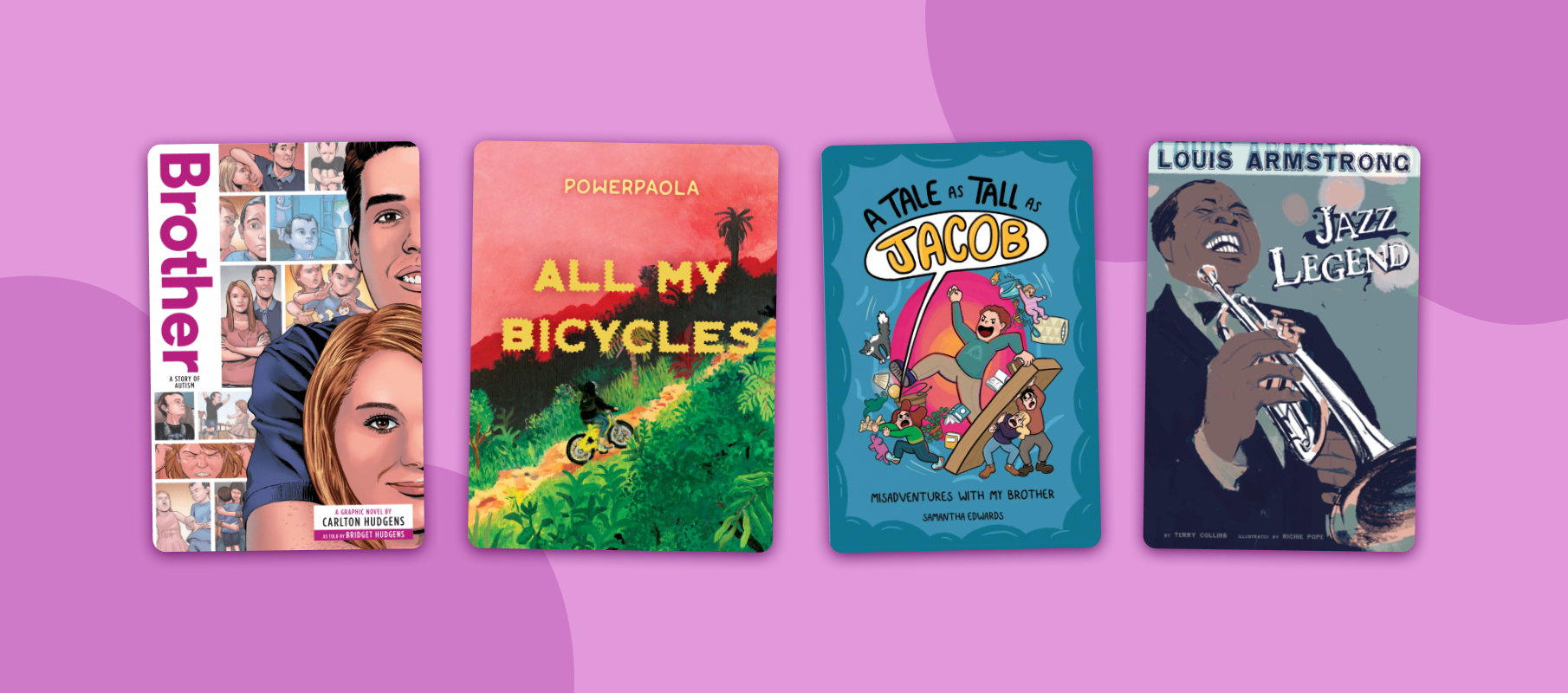
Students looking for additional examples of memoir, biography, and first-person storytelling may enjoy these titles.
Kids
- Louis Armstrong: Jazz Legend (Capstone) A look at the life of one of the most influential musicians in American history and the experiences that shaped his journey.
- Roller Coaster Grandma: The Amazing Story of Dr. Ruth (Apples & Honey Press) This lively biography explores resilience, determination, and finding purpose through life's many twists and turns.
- A Tale as Tall as Jacob: Misadventures With My Brother (Andrews McMeel) A humorous and heartfelt story about family relationships and growing up.
Teens
- All My Bicycles (Fantagraphics) A reflective graphic memoir that shows how everyday memories can be transformed into meaningful personal stories.
- Brother: A Story of Autism (Zuiker Press) A thoughtful exploration of family, identity, and lived experience.
- The World of Chub Chub Vol. 1 (Twisted Comics) A contemporary coming-of-age story that highlights friendship, self-discovery, and finding your place in the world.
These titles, along with thousands of other graphic novels, memoirs, and nonfiction works, are available through Comics Plus®, helping educators and libraries provide students with diverse stories that inspire both reading and writing.
Every Student Has a Story to Tell
The best mentor texts do more than demonstrate writing techniques. They help students see that their own stories matter.
Graphic novels offer young writers a unique window into how people make meaning of their experiences, celebrate their identities, and share their perspectives with others. When students encounter stories that feel authentic and relatable, they gain the confidence to tell their own stories.
And sometimes, finding your voice as a writer starts with seeing someone else use theirs.