Once considered a niche interest, manga has become one of the fastest-growing categories in publishing. Walk into almost any school library, public library, or classroom today, and you'll likely find readers eagerly waiting for the next volume in their favorite series.
For many young people, manga isn't just something they read; it's what helped them become readers in the first place.
Yet despite its popularity, many educators, librarians, and caregivers still have questions. What exactly is manga? Why is it so engaging? And how does it support literacy and reading motivation?
Whether you're looking to understand your readers' interests better or build a collection that reflects them, here's what you need to know.
What Is Manga?
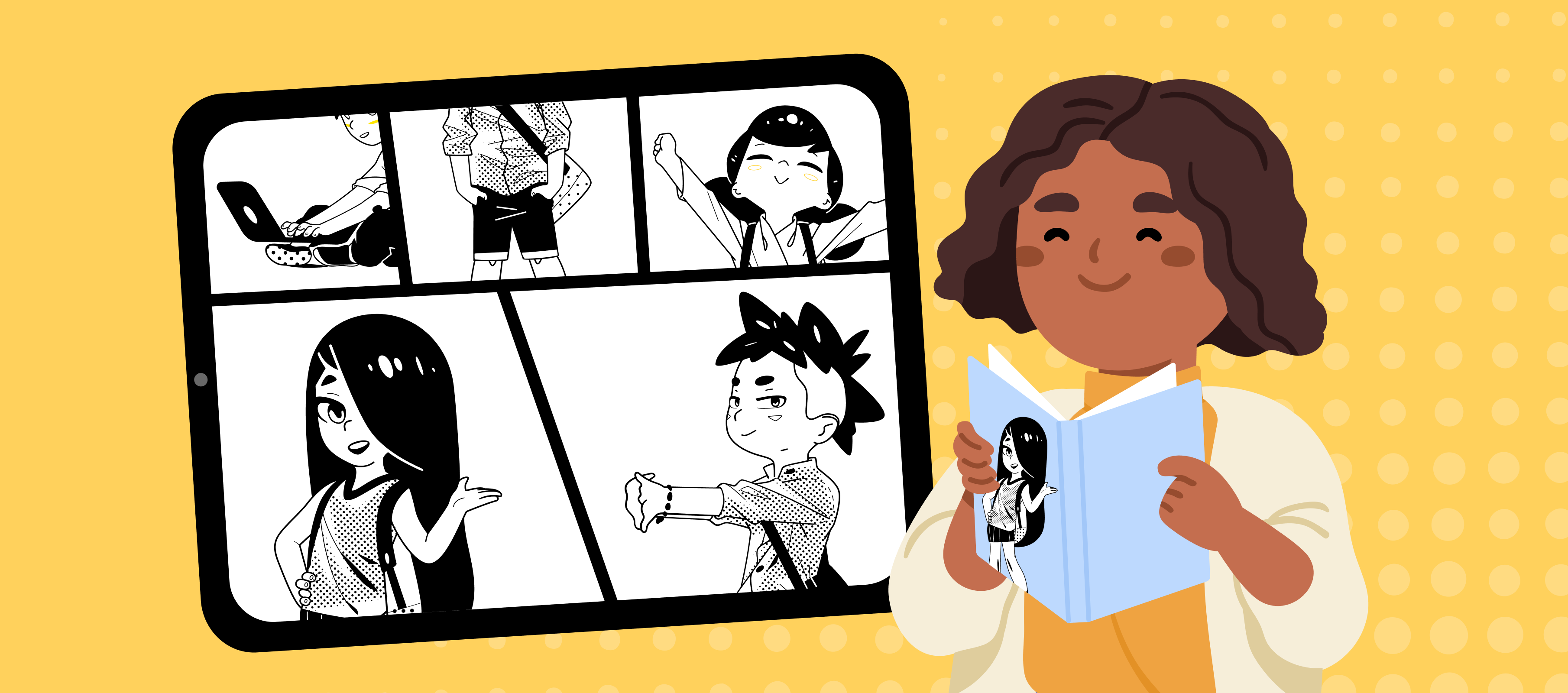
Manga refers to a specific style of comics and graphic novels that originated in Japan. While the word "manga" simply means "comics" in Japanese, it has evolved into a distinct storytelling format that has captivated readers worldwide.
One of the first things new readers notice is that manga is typically read from right to left, rather than left to right. This preserves the original artwork and storytelling style of the format. While it can feel unfamiliar at first, most readers adapt quickly, and many come to enjoy the unique reading experience.
Manga also differs from many Western comics in its storytelling approach. Rather than focusing on standalone adventures, manga often unfolds across long-running series, allowing readers to spend years growing alongside characters, exploring detailed worlds, and becoming deeply invested in the story.
Perhaps most importantly, manga isn't a genre. It's a format. Within manga, readers can find everything from fantasy and science fiction to sports, romance, mystery, history, slice-of-life stories, and nonfiction.
In other words, there's likely a manga series for nearly every reader.
Why Readers Love Manga
Part of manga's appeal is its ability to immerse readers in a story from the very first page.
The combination of visual storytelling and text creates a reading experience that feels dynamic and fast-paced, while still offering the depth and character development readers expect from traditional novels. Readers can follow intense action sequences, experience emotional character moments, and absorb world-building details through both words and images.
Many manga series also unfold over dozens of volumes. This long-form storytelling creates opportunities for readers to build strong connections with characters and develop lasting reading habits as they eagerly anticipate the next installment.
For educators and librarians, this level of engagement is significant. When readers discover a series they love, reading often shifts from an assignment to a personal interest. The motivation becomes intrinsic: they want to keep reading because they care about what happens next.
That enthusiasm can be especially powerful for readers who haven't yet found a format or genre that resonates with them.
Why Manga Matters for Literacy
Manga's popularity is sometimes accompanied by a familiar question: Does manga really count as reading?
The answer is a resounding yes.
Reading manga requires processing text, interpreting visual information, making inferences, following complex narratives, and understanding character development. In many ways, manga asks readers to engage multiple literacy skills simultaneously.
Manga also supports reading stamina. A reader who completes a 20-volume series may have read thousands of pages over time. While the format differs from traditional prose novels, the sustained commitment to reading is very real.
For many students, manga can also help build reading confidence. Readers who feel intimidated by dense blocks of text often find manga easier to read because the visual elements provide additional context and support comprehension. That success can strengthen reading identity and encourage readers to explore other formats over time.
Finally, Manga aligns with one of the most important drivers of reading engagement: choice.
When readers have access to stories that reflect their interests — whether that's sports, fantasy, cooking, music, adventure, or relationships — they're more likely to read by choice rather than obligation. And when reading becomes a choice, it becomes a habit.
Understanding Common Manga Categories
One reason manga offers something for nearly every reader is the incredible variety of stories available.
You may encounter terms like shōnen or shōjo when browsing manga collections. These labels are not genres but demographic categories publishers use to indicate a manga's primary target audience. While they can offer clues about a series' themes and style, they do not determine the genre. Fantasy, romance, mystery, sports, horror, and science fiction stories can all be found across multiple manga demographics.
- Kodomomuke (or kodomo) manga is created for younger readers and often features accessible storytelling, humor, and age-appropriate adventures.
- Shōnen manga is traditionally marketed toward boys and often emphasizes action, friendship, growth, perseverance, and adventure. Some of the most popular manga series worldwide fall into this category.
- Shōjo manga is traditionally marketed to girls and often explores relationships, emotions, friendship, and coming-of-age experiences.
- Seinen manga is aimed at older teens and adults and often tackles more mature themes and complex narratives.
- Josei manga is written for adult women and may focus on realistic relationships, careers, and everyday life.
Readers may also discover terms such as Boys’ Love (BL), yuri, sports, fantasy, or horror. Unlike shōnen or josei, these describe genres, themes, or story types rather than target demographics.
While demographic categories can be helpful guides, part of the joy of reading manga is following your interests wherever they lead. A fantasy fan, for example, might find favorite stories in shōnen, shōjo, seinen, or josei manga alike. As publishing continues to evolve, readers have more opportunities than ever to explore new stories and discover unexpected favorites.
Common Questions About Manga
Does manga count as reading?
Absolutely. Manga requires readers to decode text, interpret visuals, make predictions, analyze character motivations, and follow complex narratives. These are all valuable literacy skills.
Why is manga read right to left?
Manga directly follows the traditional Japanese writing system, featuring vertical text columns that read from top to bottom and right to left.
What's the difference between manga and graphic novels?
Manga is a type of graphic novel that originated in Japan. Graphic novels encompass a broader range of comics and visual storytelling traditions from around the world.
What is manhwa?
Manhwa refers to comics specifically originating from South Korea. While often grouped alongside manga, manhwa typically follows different artistic traditions and is usually read left to right.
Is manga appropriate for all ages?
Just like books, films, or television shows, manga spans a wide range of age levels and content. Reviewing publisher recommendations and collection development guidelines can help educators and librarians select titles that best fit their audience.

Building a Manga Collection Readers Will Love
As manga continues to grow in popularity, schools and libraries have an opportunity to meet readers where they are.
A strong manga collection doesn't simply respond to trends; it creates more pathways into reading. By offering diverse genres, age-appropriate titles, and multiple formats, educators and librarians can help more readers discover stories that spark curiosity and sustain engagement.
Digital access can be especially valuable. Providing readers with the ability to explore manga anytime and anywhere helps remove barriers and encourages independent reading beyond the classroom or library walls.
The goal isn't just to circulate more books. It's to help readers find stories they genuinely love.
Download our Manga Collection Development Toolkit for more tips on starting and growing your library's manga collection.
Why Manga Belongs in Every Reading Program
Manga is more than a trend.
For many readers, it's a gateway to stronger reading habits, increased confidence, and a lifelong love of stories. It introduces readers to new genres, encourages sustained reading, and helps many students discover that reading can be enjoyable, personal, and meaningful.
Whether readers are exploring fantastical worlds, connecting with relatable characters, or simply finding a format that works for them, manga creates opportunities for engagement that shouldn't be overlooked.
When we embrace the formats readers love, we create more pathways into reading and more opportunities for every reader to succeed.
Support Every Reader's Journey
With Comics Plus®, educators and librarians can provide easy access to thousands of manga, graphic novels, and comics that help readers build confidence, explore their interests, and develop lasting reading habits. Because when readers can find stories they truly connect with, they're more likely to keep turning the page.
Contact our team to discover how Comics Plus can help support reading engagement in your community.