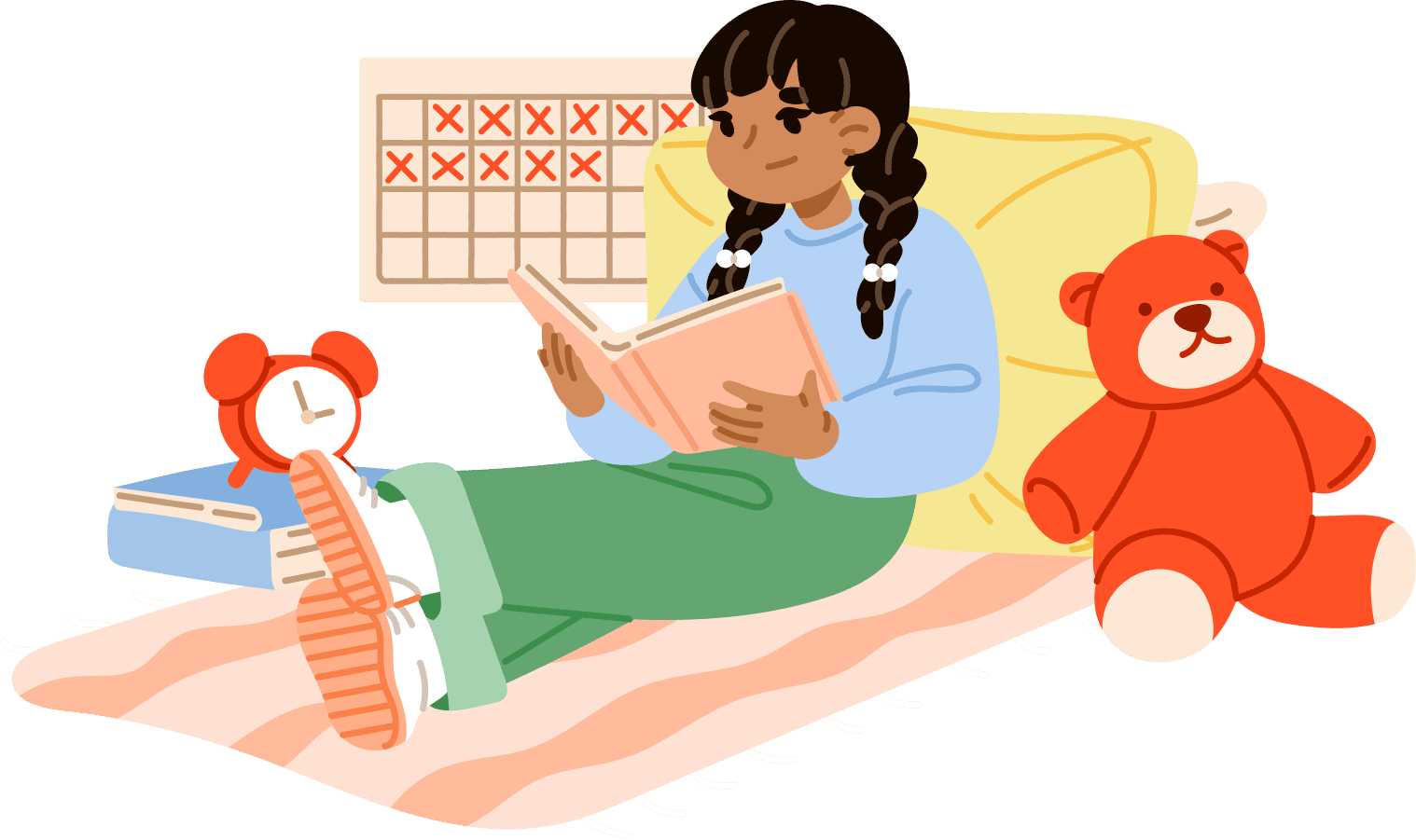
Students are more likely to read when the experience feels accessible, personal, and rewarding.
1. Student Choice
Choice is one of the strongest motivators.
Schools can support choice by:
- Offering a wide range of books and genres
- Encouraging graphic novels, audiobooks, magazines, and nonfiction
- Helping students find books that match their interests
- Avoiding rigid, one-size-fits-all reading lists
When students choose what they read, they’re more likely to keep reading.
2. Clear Reading Goals
Simple goals help students understand what they’re working toward.
Examples include:
- Read 15 minutes a day
- Finish one book this month
- Read with a family member three times a week
- Try one new genre
The best goals are realistic, age-appropriate, and easy to track.
3. Family Involvement
Families play a major role in building reading habits at home.
Schools can help by sharing:
- Simple reading routines
- Book recommendations
- Tips for reading aloud
- Conversation prompts
- Reminders that all reading counts, including graphic novels, audiobooks, and re-reading favorite books.
This helps families support reading without feeling overwhelmed.
4. Reading Challenges
Reading challenges can turn at-home reading into a more engaging, social, and rewarding experience.
Common challenge ideas include:
- Schoolwide reading challenges
- Classroom competitions
- Genre bingo
- Minutes-read challenges
- Summer reading programs
- Family reading nights
Challenges work best when they are fun, inclusive, and focused on progress — not pressure.