When you think about a favorite book, you may remember more than the story itself. You may remember who recommended it, who read it with you, or the person you couldn’t wait to talk to when you finished.
Books move between people. We recommend them, lend them, discuss them, argue about their endings, and hand them to someone else with some version of, “You have to read this.” As adults, many of us intuitively understand this side of reading. A book can become part of a friendship, a family ritual, a conversation, or a shared memory.
But young readers are still figuring out what reading can be.
For many, reading is primarily something they do for school: an assignment to complete, a skill to demonstrate, or something they’re expected to be good at. What would it look like for kids to experience reading not just as something they do, but as something that connects them to other people? Schools and libraries are building positive reading cultures that help students see reading as both enjoyable and social.
And meaningful choice is bigger than picking a book from a shelf. It can include what students read, how they read, what they read for, and how they engage with it. A student might not connect with a traditional novel but eagerly listen to an audiobook, explore a sports biography, or follow a story through a graphic novel.
The goal isn’t to give students unlimited options. It’s to create meaningful pathways into reading, with enough flexibility for different readers to find what works for them.
Reading Has Always Brought People Together
It’s easy to think of social reading as a modern phenomenon. BookTok, Goodreads, online book clubs, and reading communities have certainly given us new ways to find and talk about books. But the impulse itself is hardly new.
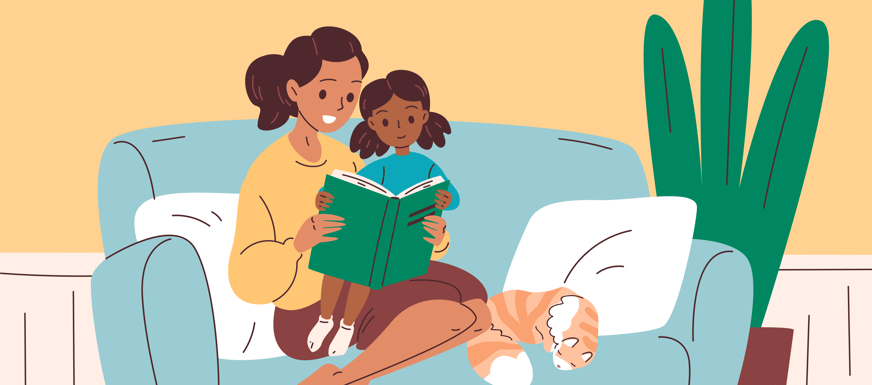
Stories have always traveled through relationships. People have passed them down through oral storytelling, read them aloud at bedtime, shared them during library story time, recommended them by a favorite librarian, exchanged them between friends, and debated them in book clubs. A teacher’s read-aloud can become a shared classroom memory. A favorite childhood story can be passed down from one generation to the next.
At Joyful Reading Company, books regularly make their way into our Slack conversations, where colleagues share the books they love, the ones they loathe, and occasionally the ones they’re still trying to finish.
The formats may change, but our instinct to share stories doesn’t.
But “Social Reading” Can Feel Different When You're a Kid
For a confident reader, talking about books with other people can be energizing. But for a student who struggles with reading, or simply feels shy about it, the social side can carry very different associations. Being called on to read aloud, stumbling over a word, comparing reading levels, or watching classmates finish books faster can make reading feel like something everyone else is watching.
Even well-intentioned accountability can have this effect. A book quiz, a reading goal, or a question about how many pages someone has finished isn't inherently negative. What matters is how the experience feels to the student.
The goal isn't to make reading less social. It's to create space for connection without making reading ability public. A student doesn't have to be the strongest reader in the room to say, “You have to read this.” That, too, is what being a reader looks like. Creating low-pressure opportunities for independent reading for enjoyment helps students participate on their own terms.
Connection Can Strengthen Reading Motivation
Connection can also influence student reading motivation and whether reading feels worth returning to. A recent study offers an interesting example. Over 12 weeks, 17 school libraries hosted social book clubs for reluctant readers ages 12–13. The clubs deliberately removed the expectation to read. Instead, students were invited to talk about books, share ideas, and spend time together in a relaxed, pressure-free setting.
That distinction matters. Rather than asking students to demonstrate reading engagement, the clubs created a space where they could experience books as something social and enjoyable. Of the more than 400 students who participated, 84% said the experience was worthwhile, and 60% said they were more interested in books and reading afterward. At one school, participating boys saw an average increase in reading age of 15 months, compared with five months for their year group. While experiences will vary by school, the findings suggest that low-pressure social reading spaces can support both motivation and reading development.
The study highlights something worth remembering: motivation can grow from a sense of belonging. Connection can help readers discover books, share opinions, see others model reading, and begin to see themselves as part of a reading community—an important step in strengthening reading motivation and identity.
In a Disconnected World, Stories Give Us Something to Share
Young people have more ways to communicate than ever, but communication isn't always the same as connection. Between digital distractions, busy schedules, and the many ways people can feel alone even when they're surrounded by others, meaningful opportunities to belong matter.
Stories can give us some common ground. A toddler at story time, two teens trading manga recommendations, students debating a character's decision, or a family participating in a reading challenge are all doing more than engaging with a book. They're sharing an experience.
Libraries and schools create spaces for those experiences, whether through book clubs, informal conversations, read-alouds, or online communities. Reading doesn't have to compete with social connection. Sometimes, it creates it.

What Does a Positive Social Reading Culture Look Like?
Making reading more social doesn't mean every student needs to participate in a book club or share their reading publicly. It also doesn't mean schools and libraries need to launch another program. Making reading more social doesn’t mean every student needs to join a book club or share their reading publicly. Often, it starts with simple opportunities to notice, discover, discuss, recommend, and celebrate stories together.
Turn Book Discovery Into a Shared Experience
Recommendations are one of the easiest ways to create those opportunities. A librarian might invite students to leave a short recommendation card inside a favorite book from the school library. A teacher could create a “What We're Reading” shelf featuring students' current picks, while staff members share their own reads alongside them. A display might pair books with prompts such as “If you liked this, try…” or “Ask me why I loved this one.”
These small invitations make reading visible and give readers something to contribute. A student might struggle with fluency and still know exactly which graphic novel their friend should read next. These everyday interactions can help strengthen school reading culture by making book discovery a shared experience.
Give Readers Something to Talk About
Schools can also create simple moments for book conversation without turning them into another assignment. Two students might compare favorite characters during a morning meeting. A class could spend five minutes sharing a surprising moment from the week's read-aloud. School librarians might host an informal lunch book club where students can drop in without having finished the book. Reading buddies, family reading nights, author visits, and community reads can create similar opportunities.
Not every conversation needs to assess comprehension. “Did you like it?” or “Who was your favorite character?” is enough to get students talking. And casual conversations like these still build critical thinking, as students explain their opinions and consider other points of view.
Welcome Different Kinds of Readers
A positive reading culture makes room for different interests and formats, including novels, comics, manga, graphic novels, audiobooks, picture books, nonfiction, and digital reading. A classroom library might intentionally display these formats together rather than treating some as more legitimate than others. A librarian might pair an audiobook with the print edition or invite students to recommend a favorite manga series to classmates.
Platforms like Comics Plus® can expand the stories and formats readers can discover and share, creating more entry points into the reading community.
Celebrate Reading Without Turning It Into Comparison
Recognition can make reading visible, but it doesn't have to focus on who reads the most or the fastest. A class might celebrate students who tried a new format, a student whose recommendation became popular, or a shared goal the whole group reached over the school year. A library could highlight personal reading milestones or invite students to contribute to a community “books we've loved” display.
We want to make reading visible without making readers feel exposed. Social reading works best when it gives people more ways to belong, not more ways to be measured.
When Reading Becomes Visible, Community Grows
Much of reading happens quietly. We don't always know what a student finished last night, what a teacher is reading over the weekend, or which series everyone suddenly loves. Bringing some of that activity into view creates opportunities for connection.
A community reading challenge, shared goal, reading display, staff reading board, student recommendation, or milestone celebration can remind people that they aren't reading alone. Even seeing what someone else is reading can spark a conversation or lead to a new favorite.
Tools like Beanstack can help schools and libraries support these shared experiences through community challenges, goals, and celebrations.
Reading Culture Grows Through Everyday Moments
Reading is social, but social doesn't have to mean performative. When schools and libraries create safe, low-pressure opportunities to discover, recommend, discuss, and celebrate stories together, readers can experience connection without feeling exposed.
Those moments can help students build a lasting reading habit and see reading as more than something they do for school. They can begin to see themselves as people whose interests and opinions matter, whose recommendations are worth sharing, and who belong to a community of readers.
For schools and libraries looking for more ways to build a strong reading culture, there's no single formula. It might start with a conversation, a recommendation, a shared challenge, or simply making reading more visible, so readers can see what their classmates, teachers, and neighbors are picking up and enjoying.
Learn more about how to build a reading culture that sparks a love of reading and gives every reader a place to belong.