There’s a quiet belief that still shapes how we talk about reading in schools: that “real reading” looks a certain way. A student, alone, with a printed book, eyes moving left to right across a page. It’s a powerful image, but for many students, it’s incomplete and limiting.
If we want to increase reading engagement in schools, we have to start by asking a more honest question: What counts as reading? The answer shapes how we define literacy and who’s included. And right now, too many students are left out.
Recent data highlights both a challenge and an opportunity when it comes to reading for fun. According to the National Assessment of Educational Progress, only about one in three U.S. students reports reading for fun almost every day, a sharp decline from previous decades. This steady drop in recreational reading suggests that many children are disengaging from reading long before adulthood.
And when students read less, their literacy development slows. The research is clear: strong readers are built through consistent, high-volume reading. If students aren’t choosing to read, they’re not getting the practice they need to grow.
So the real question becomes: how can we create experiences that make reading feel rewarding, inclusive, and genuinely fun?

The Problem: When Definitions Limit Readers
For years, many educators have positioned physical text-only books as the gold standard and everything else as secondary. Students internalize this quickly, learning which formats “count” and which don’t, and in turn, whether they themselves count as readers. This dynamic is especially harmful for reluctant readers, multilingual learners, and students who struggle with traditional text.
The result is disengagement, not because students don’t want to read, but because the version of reading we validate doesn’t include them. When a student who loves manga or listens to stories daily doesn’t see that reflected in school, reading begins to feel exclusionary.
A Better Question: Is This Building a Reader?
Instead of focusing on format, we can ask a more meaningful question: Is this building a reader? Reading is fundamentally about comprehension, engagement, and meaning-making — not the medium through which those things happen. When students connect ideas, build vocabulary, and engage with stories, they are reading, regardless of format.
This shift doesn’t lower expectations; it sharpens them. It centers outcomes over optics and focuses on what actually drives literacy growth. When we prioritize engagement and understanding, we create more pathways into reading. And more pathways mean more reading. When students are engaged, they read more often, for longer periods, and with greater consistency — the exact conditions that lead to stronger literacy outcomes.
Comics and Graphic Novels: A Gateway, Not a Detour
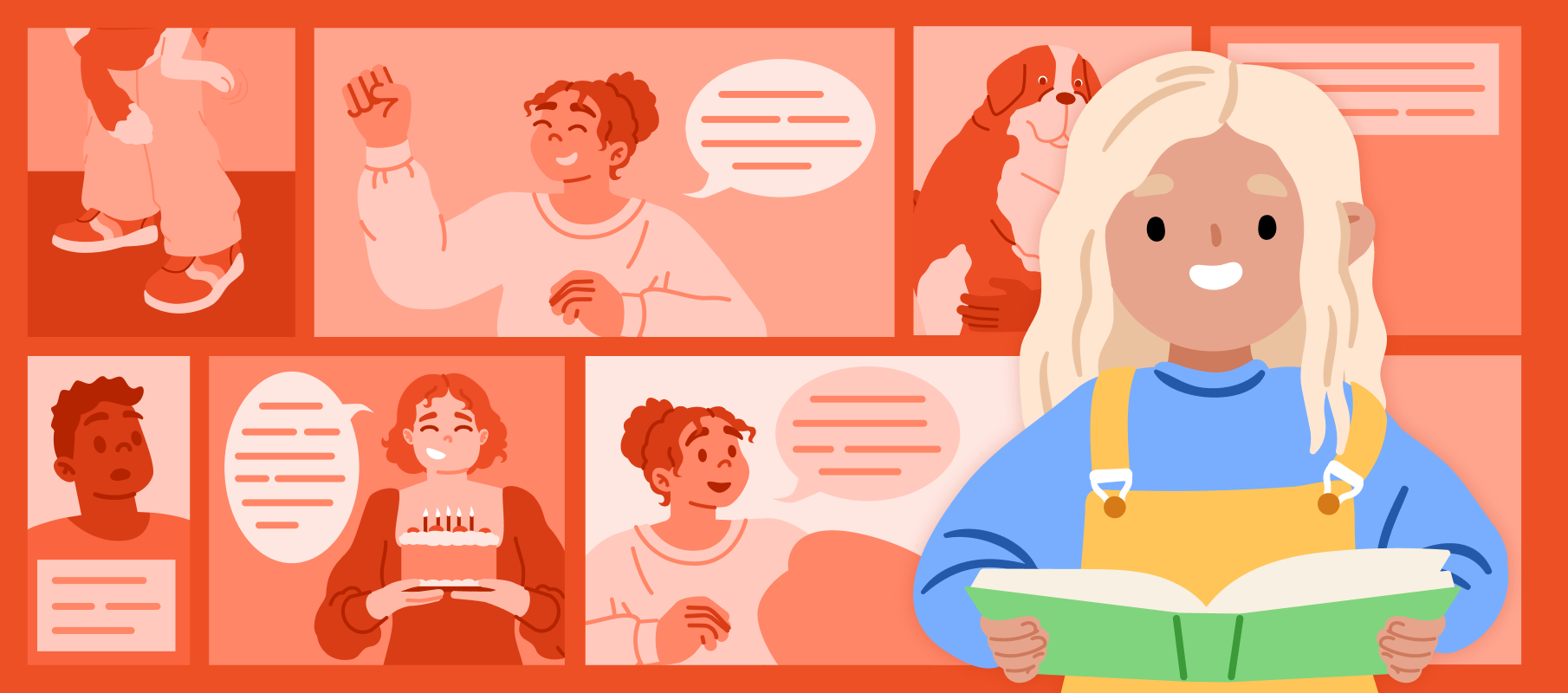
Comics and graphic novels are often dismissed as easy, but they require complex cognitive work that combines visual and textual processing. Readers must infer meaning across panels, interpret expressions, and synthesize multiple modes of information at once. This makes graphic novels especially supportive for comprehension, particularly among multilingual and developing readers.
The engagement data reinforces their impact. While many forms of screen-based reading have declined since 2017, research shows that digital comics reading has increased from 13.8% to 14.3% in 2025, and print comics reading has only slightly decreased from 32.2% to 29.2% — the smallest decline among all reading materials. Their visual appeal, connection to popular culture, and ability to read quickly or collaboratively make them uniquely effective for engaging readers.
Despite this, comics remain underutilized in classrooms, often due to lingering stigma. Educators frequently report a lack of confidence in their use, even as research shows positive impacts on reading attitudes, achievement, and well-being. When we embrace comics as legitimate reading, we open the door for more students to participate meaningfully.
Just as importantly, students are more likely to keep reading. When a format feels approachable and enjoyable, it increases reading volume. This means more pages, more time spent reading, and more opportunities to build comprehension and fluency.
Audiobooks: Access, Equity, and Engagement
Audiobooks continue to challenge traditional definitions of reading, but the evidence supporting their value is strong. Studies have found no significant difference in comprehension between reading and listening for many learners, particularly when the goal is understanding content. This makes audiobooks a powerful tool for expanding access without lowering rigor.
Usage trends highlight their growing role. Audiobook popularity among children has increased by 138% since 2018, with over 34% of children listening for at least 15 minutes per week. Additionally, nearly half of children engage with online audiobooks or podcasts, suggesting that listening is already a major entry point into literacy experiences. Taken together, these numbers point to a clear shift: listening is no longer supplemental.
Audiobooks also support engagement in measurable ways. One study found that teacher-narrated audiobooks increased kindergarten students’ interest in a reading corner by 11%. For struggling readers, audiobooks remove barriers to access while building vocabulary, comprehension, and fluency, allowing students to engage with complex texts earlier and more confidently.
Screens vs. Print: Moving Beyond the Either/Or
The debate around digital vs. print reading often assumes a competition, but in reality, both formats serve important roles. Digital reading increases access through features like adjustable text, built-in audio, and instant availability, while print offers focus and familiarity. Students naturally move between these formats, and effective literacy instruction should reflect that flexibility.
In practice, this flexibility matters. Digital platforms allow students to access thousands of titles instantly and adjust the text to their needs. These features can significantly increase time spent reading, particularly for students who might otherwise disengage. And time spent reading matters. The more consistently students engage with text, regardless of format, the more their literacy skills grow.
Digital reading: what “reading” looks like. Beyond text, students frequently engage with images, graphics, and embedded media. In these environments, meaning is often conveyed through a combination of visual and written elements. Teaching visual literacy alongside traditional reading ensures students are fully prepared for how information is presented today.
The Big Idea: Access Drives Engagement
When we expand reading formats, we expand access. And when we expand access, we increase engagement. More formats create more entry points, allowing students to find reading experiences that resonate with them. This leads to greater participation, more consistent reading habits, and ultimately, more reading overall—the single most important driver of literacy growth.
Limiting formats has the opposite effect. It narrows both access and choice, making reading feel restrictive rather than inviting. Students who might otherwise engage through audiobooks, graphic novels, or digital platforms feel left out. If the goal is to help students read more, then access and student choice must be a priority.
What This Means for Schools and Libraries
For educators and librarians, this shift requires intentional design. Collections should include a range of formats, like print, digital, audiobooks, and comics, to reflect the diverse ways students engage with text. Just as importantly, all forms of reading should be validated as legitimate rather than treated as stepping stones to something else.
Instructional priorities should also evolve to emphasize volume, consistency, and enjoyment. Students become stronger readers by reading more, and they read more when they are engaged. Volume, consistency, and enjoyment aren’t secondary goals; they are the foundation of literacy development. When students are motivated to read across formats, they build the habits and practice necessary to grow as readers.

Expanding the Definition, Expanding the Reader
Ultimately, this is about more than literacy strategy; it’s about identity. When we expand what counts as reading, we expand who gets to see themselves as a reader. A student who finishes a graphic novel, listens to an audiobook series, or explores a digital library is engaged in meaningful reading.
They also increase the time students spend reading — day by day, book by book — which ultimately drives lasting literacy growth. These experiences build confidence, momentum, and connection. They are not alternatives to reading. They are reading. And for many students, they are the beginning of a lifelong relationship with it.
Where Joyful Reading Company Fits In
At Joyful Reading Company, we believe that access and free choice are the foundation of engagement. That’s why we support schools and libraries in expanding reading opportunities across formats, helping more students find their way into reading.
Through Comics Plus, students gain access to high-interest, visual texts that draw them in and sustain attention. Through Beanstack, educators can motivate and track reading across all formats, reinforcing the idea that every reading experience counts. And with tools like the Reading Motivation Index, schools and libraries can better understand how students feel about reading — helping them identify what’s working, where engagement is growing, and how to continue building a culture where more students choose to read.
Because when we expand access and understand engagement, we don’t dilute reading; we multiply it. And when more students read more often, we move closer to a culture where every student can say with confidence, "I am a reader."